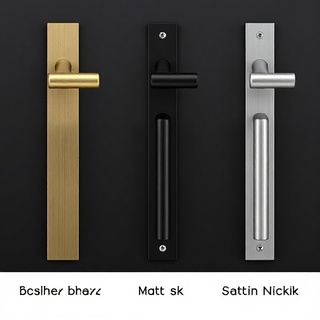
Signature Lines — A Quick Look
Eight families across brass, black and nickel — each tuned for a different kind of calm. The reel flows continuously; hover or touch to pause and inspect the details.


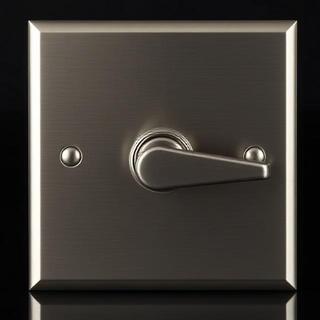
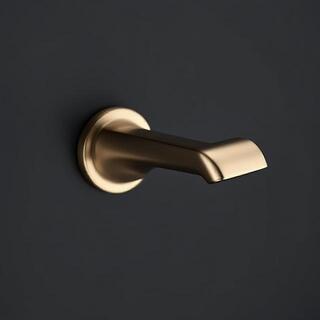
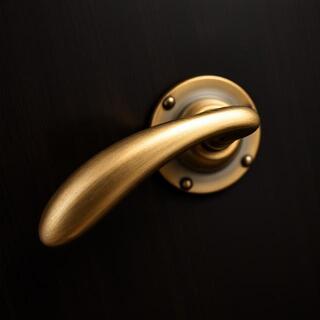

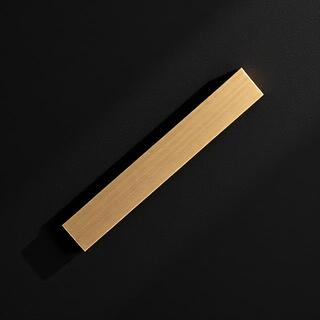

Our families are designed to cover entrances, bedrooms, wardrobes and kitchens so the hand feels the same confidence everywhere. Visual weight is controlled through edge radii and lever drop, while finishes keep light calm across corridors and lobbies.
Filter by Type & Finish
Mix filters to narrow your shortlist. Items fade and reposition smoothly; the counter shows how many remain. All pieces are compatible with common Indian locksets and door cores.

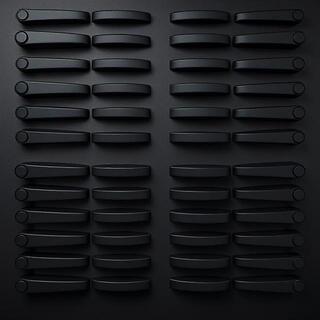
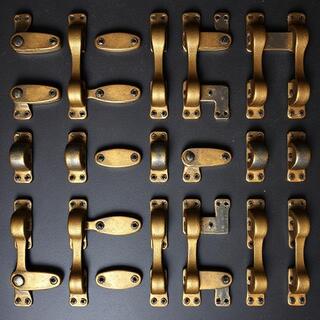
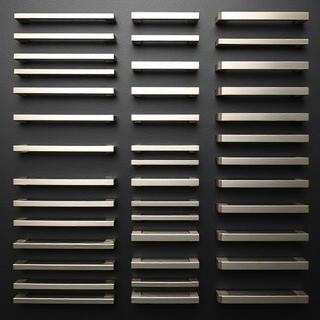
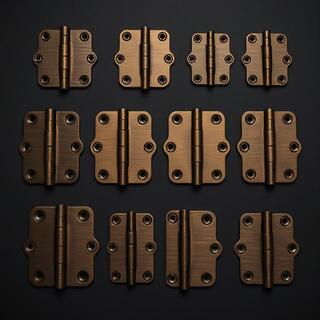
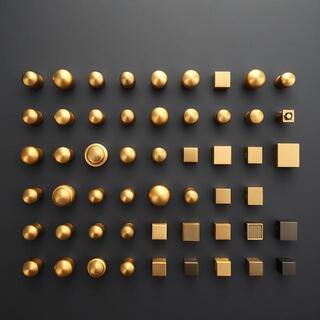
Brushed brass pairs naturally with warm timber, while satin nickel calms strong veneers. For high touch areas, matte black reads crisply and hides minor marks. Hinges are colour-matched, and the bushed pin keeps doors quiet over time.
Compare Lines — Feel, Weight, Care
Select up to three lines to compare. Bars animate to show relative grip comfort, visual weight and care effort in everyday use.
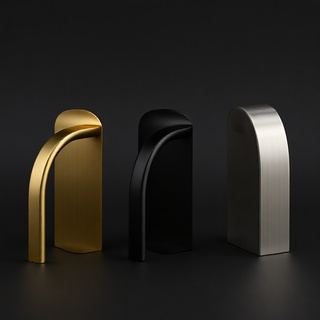
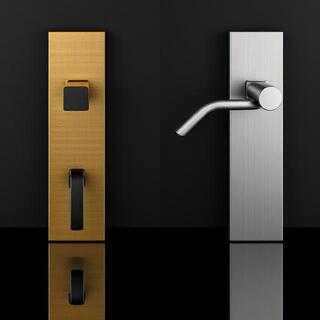
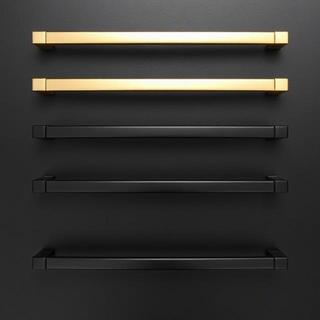
Comfort rises with balanced lever torque and soft edge radii; visual weight grows with thicker profiles and square roses. Care effort reflects how easily a finish hides fingerprints and how quickly it cleans without streaks.
Latch Lab — The Sound of a Quiet Close
When a door shuts well, you feel a soft peak then a clean release. Adjust door weight, seal pressure and alignment to see how the close profile changes. Lower peaks and shorter tails make for calmer corridors and fewer callbacks.

In residences we bias for a slightly earlier release so the latch clears before the highest force. Co-working spaces prefer faster returns — cleaners move door to door swiftly. The curve you see is not audio but a proxy for forces at the latch. Low, rounded peaks and short tails read as quality.
Door Sets Builder — Packs per Room
Count rooms, set functions and let the builder compute complete packs. We pre-box by flat number so installers move without sorting. Edit quantities — the summary updates immediately.
Bedrooms
Bathrooms
Entrances
| Room | Function | Qty | Notes |
|---|---|---|---|
| Total packs: 0 | |||
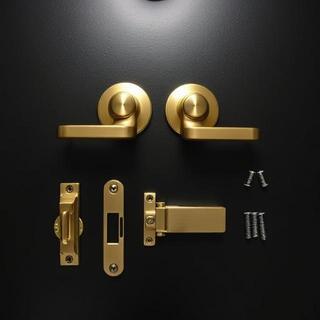
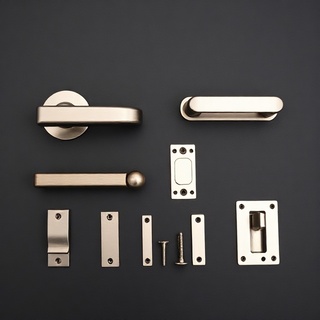
Packs include spindles, fasteners and a torque card for repeatable feel. For 47–55 mm doors we add extensions — installers don’t hunt for parts. Labels carry tower, floor and flat numbers, and a small QR links to our drawings and care notes for handover manuals.
Price Bands — Indicative by Finish & Line
A quick view of where lines usually land. Bands reflect hardware only (no lock cases or freight). Toggle finish emphasis — cells glow to guide value picks for each palette.
Line
₹
₹₹
₹₹₹
Linear
Arc
Square
Bands depend on geometry and finish labour. Two-tone assemblies cost more than single-tone sets, while brushed brass is efficient in production. When budgets are tight, use black on high-touch doors and reserve brass for key sightlines — you keep the calm without losing intent.
Finish Mosaic — Interactive Grid
Finishes change how rooms feel. Hover, focus or tap a tile — a spotlight follows your cursor and the panel explains when that finish shines on site.


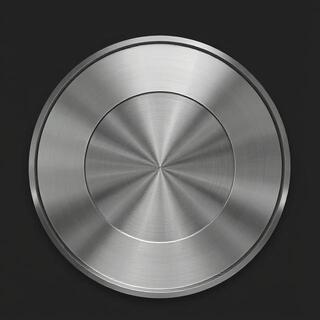
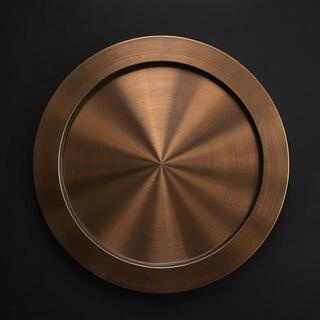

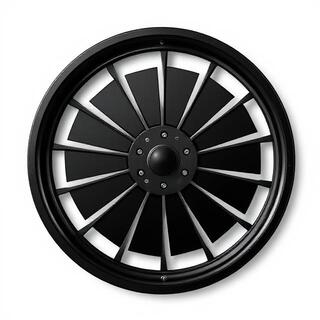

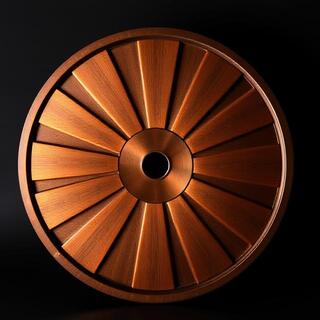
Choose one finish for high-touch doors and echo it on hinges and turns; repeat parts across floors to simplify BOQs. When budgets are tight, keep brass on key sightlines and use matte black elsewhere — the hand still reads one family.
Ergonomics Tuner — Edge, Drop & Reach
Comfort lives in small decisions: edge radius, lever drop and reach from the door edge. Adjust the sliders — the gauge estimates comfort for small and large hands and explains the trade-offs.
Comfort index — higher is easier on the hand.
Radius reduces pressure at the knuckle when the latch resists. Drop sets leverage so returns feel light but not loose. Backset governs reach: 50–60 mm suits most Indian doors; at 70 mm the sightline calms on wide stiles but mind the tail-end grip for small hands.
Case Ribbon — Projects in Motion
Scroll sideways to browse recent installs. The ribbon snaps card by card; the progress line fills and the active year lights up. Use it to sense which finish fits your own corridors and rooms.
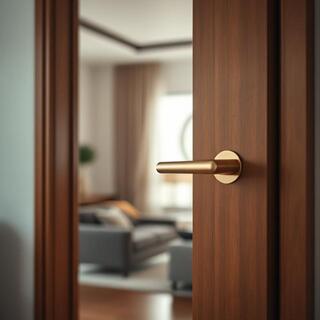
Quiet latches and felted strikes kept nights soft. Doors labelled per flat sped handover.
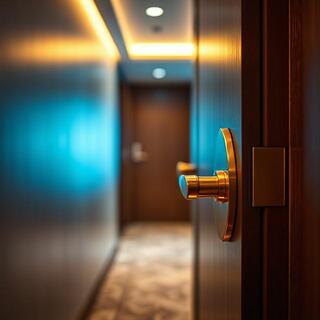
Low-glare finish held up to cleaning cycles; spares boxed by floor cut service time.
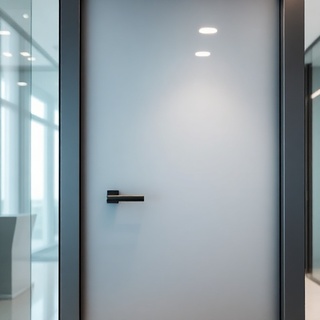
Return torque logged across sets for consistency; privacy turns set for meeting rooms.
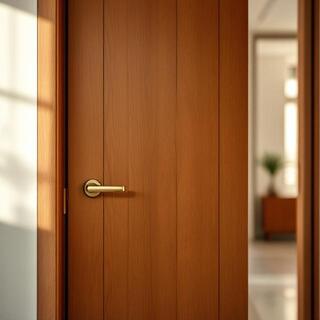
Marine-grade top coats resisted salt air; hinges bushed to keep quiet after storms.
Projects span student housing, co-working and hospitality. We tune hardware to the life around it: quieter plates for bedrooms, firmer returns for offices, and coastal coats for villas by the sea.
Hinge Physics — Quiet Torque
A calm door feels light at the start of travel and sure near the latch. Move the sliders to see how leaf weight and hinge spacing shape torque at the hand — then match the line with our bushed hinges.
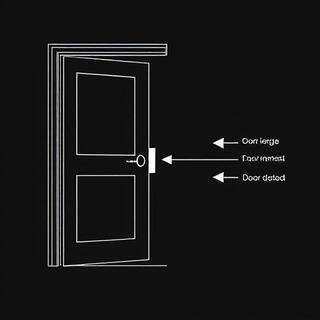
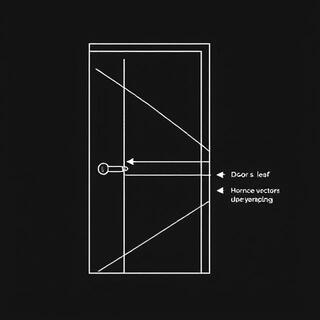
Bushed hinges spread loads so the first pull feels predictable, not gritty. Wider spacing calms swing on heavy leaves; lighter doors tolerate tighter spacing but profit from a touch more reach at the lever. Our pins run quiet after thousands of cycles — that’s what corridors remember.
Lead Times — From Casting to Site
Standard lines ship fast; custom blends add finishing days. The ribbon fills as you scroll and cards explain what locks the calendar — so schedules stay honest with contractors.
Alloy & Casting
We choose copper/zinc ratios by line and project type; billets are cast and logged.
CNC & Brushing
Lever blanks cut to tolerance, then brushed along the long axis for a single highlight.
Patina & Top Coats
Warm brass is sealed; bronze ages to tone; black receives a low-glare top coat.
Assembly & QC
Spindles matched, returns checked, torque logged across sets for consistent feel.
Pre-Box & Dispatch
Hardware boxed per flat number; hinges colour-matched and labelled for installers.

Typical runs complete in 14–16 working days door-to-door for India metros; coastal finishes add buffer for curing. Split deliveries are available for early floors while higher levels finish — site teams keep moving without waiting on the last crate.
Finish Care Advisor — Environment & Use
Pick a finish, environment and traffic level. The advisor suggests coatings, cleaning rhythm and things to avoid so hardware stays calm for years.
Brass grows character where hands live; black keeps glare down in bright corridors; nickel mirrors timber gently. In coastal air we recommend marine-grade top coats and sealed joinery. Whatever the palette, skip abrasives and ammonia — quiet planes last longer.
Specifications — Dimensions & Compatibility
Toggle units to view clearances and fixing. Copy the spec block for BOQs — we match Indian lock cases and door thicknesses by default.
- Lever length
- 130 mm
- Drop (spindle to tip)
- 58 mm
- Rose diameter
- 52 mm
- Edge radius
- 38 mm
- Recommended backset
- 60 mm
- Door thickness
- 47–55 mm
Includes finish, fixing and compatibility notes.
Line: Linear Latch
Finish: Brushed Brass / Matte Black / Satin Nickel / Oil-Rubbed Bronze
Lever length: 130 mm
Drop: 58 mm
Rose: Ø52 mm, through-fix M4, concealed
Backset: 60 mm (recommended for Indian doors)
Door thickness: 47–55 mm (spindles & screws included)
Compatibility: Indian lock cases, DIN left/right
Notes: Hand-finished textures; hinges colour-matched
Sizes are tuned for Indian sites: 60 mm backset suits wider stiles and keeps fingers clear of architraves. If your doors differ, we cut extended spindles and supply longer fixings on request.
Installation Playbook — Fixing & Alignment
A fast, clean fit keeps doors quiet for years. Follow the steps — the timeline lights up as it enters view; tick the checklist to watch progress fill. All notes match Indian lock cases.
-
Mark Backset & Spindle Axis
Use 60 mm backset as the default. Scribe spindle axis square to the door face; protect veneers.
Tip — wide stiles and architraves prefer 60 mm to keep fingers clear. -
Drill & Deburr
Drill pilot from both sides to avoid breakout. Deburr lightly so roses sit flat without wobble.
Through-fix M4 sleeves are supplied; do not over-tighten on hollow-core. -
Fit Spindle & Returns
Grease-free spindle; set return springs so the lever sits level. Check free movement before fixing.
Privacy turns: verify handedness; avoid binding against the latch case. -
Fix Roses & Align
Pull down evenly; ensure the grain direction lines with corridors. Conceal plates click on last.
A small spirit level saves minutes across a floor. -
Hinges & Strike
Bushed hinges first, then felted strikes. Close slowly — adjust throw until the latch lands soft.
Wide hinge spacing calms heavy leaves; note torque on first ten doors.
Pre-boxed sets labelled by flat number shorten fitout. If door thickness varies, ask for mixed screw lengths; we’ll pack spares and extended spindles so installers don’t leave a floor mid-run.
Carton Planner — Per-Floor Packaging Estimator
A quick way to plan how many room sets and cartons you’ll need per floor. Change values — the table updates instantly. Copy the summary into your BOQ.
For phased handovers, plan by core: ship lower floors while upper levels assemble. We can split cartons per tower and colour-match hinges to each line so installers open one box and fit straight on.