
We pour controlled heats to get consistent bars for machining. Fewer inclusions mean better threads and a quieter fit on spindles later.
Precision-milled brass, disciplined lines, and finishes that age with grace. From levers and roses to pulls and architectural hinges — designed for modern Indian homes and hospitality.





Finishes shape how a handle lives with light and time. Our library spans warm brushed brass, soft-aged patina, deep oil-rubbed tones, contemporary matte blacks and quiet satins. Each surface is hand-finished in small batches to keep grain, direction and tactile clarity.
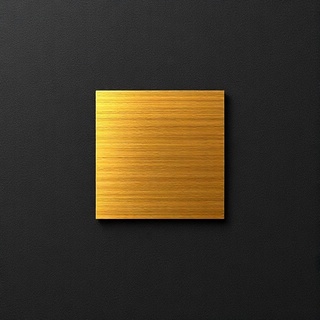


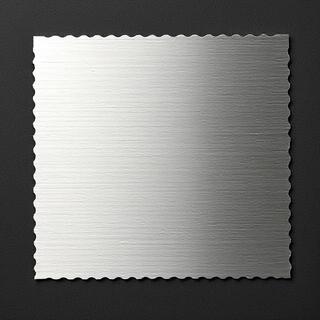

We prepare every surface with controlled pressure and fresh abrasives, then seal it with durable top coats that respect the finish character. In coastal projects, we recommend marine-grade lacquers; in high-touch hospitality, we tune hardness for longer life. Ask our studio for custom blends — two-tone assemblies and aged accents are crafted on request.
Behind a quiet silhouette sits geometry that decides comfort: edge radii, lever torque, rose tolerances and spindle fit. We balance these so the first touch feels inevitable, not forced.

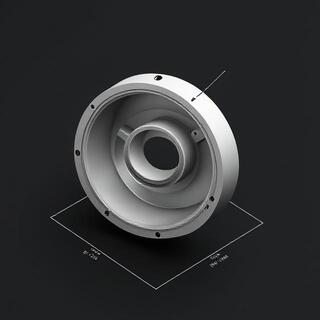
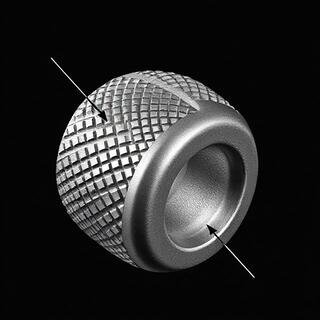
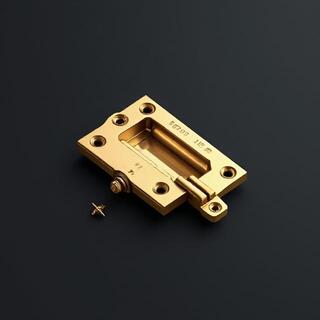
We prototype grips with foam and brass to test contact points at different door heights. The inner return spring is specified for Indian latch pressures so the lever neither sags over time nor feels stiff for children and elders. These small choices reduce maintenance across apartments, villas and boutique hotels.
Door thickness, backset and lock case vary across regions and builders. Linear Latch kits are tuned for common Indian standards with adaptable spindles and screws. Use the gauge to see how our assemblies fit.
Works with 28–46 mm doors out of the box. For 47–55 mm, request our extended spindle and longer fasteners set.
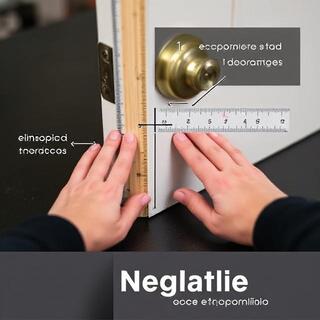
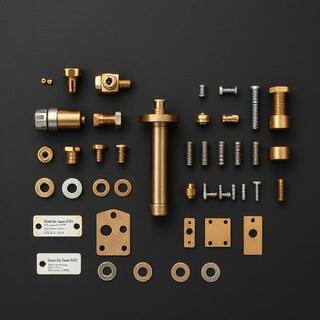

Installers receive clear line drawings with drill sizes, screw depths and torque notes. If your project mixes latch brands across towers, our adapters keep the interface consistent and serviceable. For large sites, ask about pre-boxing by flat number to save time on floors.
A project rarely uses a single handle. Families keep a consistent design language across entrances, bedrooms, wardrobes and kitchens. Scroll the rail: items near the center snap and “magnetize” for a closer look.
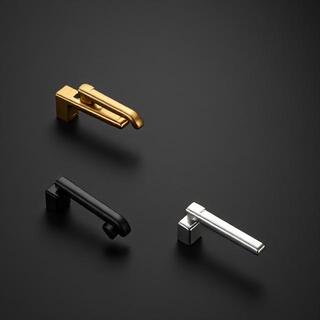
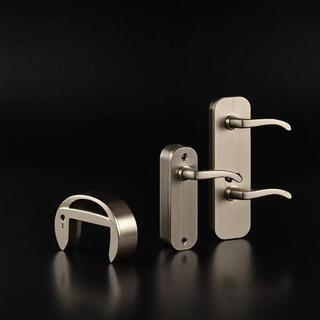
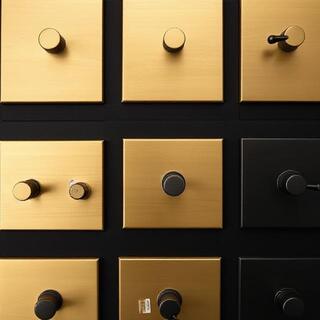
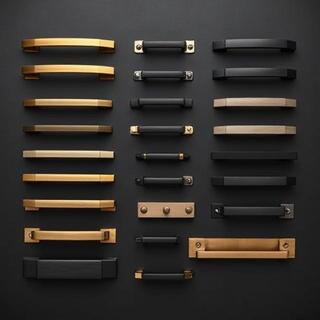
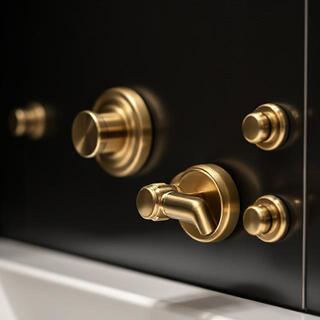
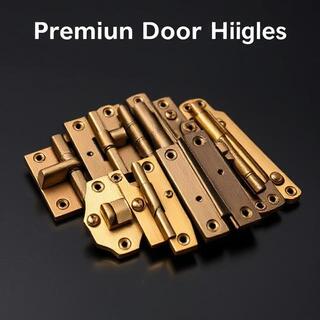
Families reduce visual noise: widths, chamfers and finish tones align across spaces, so your hand always finds a familiar feel. We supply complete packs per room to simplify installation, with spares labelled by flat number for maintenance teams.
Detail changes everything. Use the toolkit to access line drawings for coordination, a compact spec summary for schedules, and finish references for client decks.


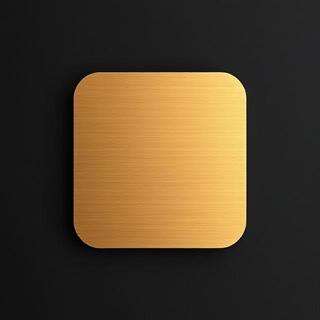

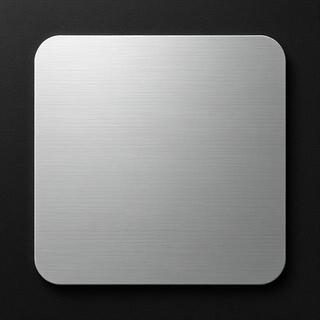
Drawings use consistent zero lines and clear callouts to coordinate with door schedules. The spec fits into standard BOQs, and the swatches reflect real samples photographed in neutral light. If you need Revit families or DWG blocks, tell us the required versions — we convert with layers intact.
Explore the stations a handle passes through. Pick a step on the left — the panel shows the image, what we check, and the impact on everyday use. The progress ring fills as you move through steps.
We pour controlled heats to get consistent bars for machining. Fewer inclusions mean better threads and a quieter fit on spindles later.

Custom fixtures reduce chatter and tool marks, saving hand work. We hold spindle bores true, so returns sit square after install.
Grain direction is matched across pairs; edges get micro-chamfers so touch points feel calm and resist sharp wear.

We cycle humidity and salts to predict colour drift, then lock the tone with the right clear coat for each site.

Split spindles for privacy sets are tested under load so the turn feels smooth and the latch clears reliably.

Kits include spare screws and a quick card for torque and drill sizes, reducing callbacks after handover.
The flow keeps intent intact as we move from prototype to production. Each station signs off critical tolerances so your doors feel consistent across a project.
Handles align with sightlines, skirtings and lock rails. Move the slider to set handle height and preview how proportions feel on a standard door canvas. Switch finish tone to see contrast.
We place centers typically between 920–1000 mm to meet most hands naturally, while keeping the lever clear of lock rails and panel mouldings. In tall doors, a touch higher balances the sightline. Colour contrast helps orientation in low light; matte black reads crisply on pale laminates, while brushed brass warms timber grains.
Force should rise, peak gently, then fall as the latch clears. The curve below animates with your scroll to show how our spring rate keeps the motion smooth for children and elders alike.
We test for sag over time and adjust return torque so the lever rests cleanly without bounce. On privacy sets, momentary resistance is added near the end of travel; on passage sets, the drop is cleaner to favour quiet corridors. These details reduce service calls across multi-unit projects.
Brass ages with touch. The routine below preserves character without stripping the grain. Tick steps as you go — the progress bar fills and stays for your next visit.
Use a dry, soft microfibre cloth. Remove grit along edges and knurl valleys before any damp wipe.
A drop of neutral soap in warm water. Wring cloth well — moisture should never run to the spindle.
Dry with a second cloth following the grain. This prevents mineral rings and preserves the sheen.
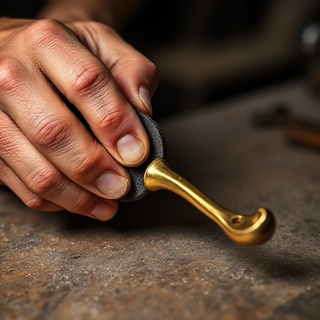
For brushed brass, a light pass with a Scotch pad (ultra-fine) restores direction. For matte black, avoid abrasives — use diluted isopropyl on fingerprints only.
Check screw torque and lever play. If a door swells, adjust strike plate rather than over-tightening the set.
Never use ammonia or chlorine on plated finishes. If a site has coastal air or pools, plan quarterly wipe-downs. We supply finish samples for your handover manual so maintenance teams know exactly what to expect over time.
Grip is a dialogue between pattern, pitch and edge softness. Explore how diamond, straight and microline textures behave with different pitches. The preview simulates light grazing across the surface so you can feel the grain with your eyes.
For kitchens and children’s rooms we prefer smaller pitches with gentle depth, which resist grime and feel calmer. Hospitality corridors tolerate a little more bite for confident reach. Knurl direction is aligned across a pair so highlights run as one line on the door.
Three crews, three constraints. Scroll the notes — the progress bar fills and the active story gets a soft spotlight to focus reading.
A student residence asked for night-quiet doors. We tuned return torque so the latch clears before the peak, and swapped strike plates to a felted variant. The result was a softer close without slowing the handle return — cleaners could still move quickly floor to floor.
A co-working hub needed handles that feel the same after months. We increased bushing hardness, added a tolerance ring behind the rose and locked fasteners with a removable thread locker. Same feel, fewer callouts — the service team reported only two retightens in twelve weeks.
Sea air challenged finish stability. We moved to marine-grade lacquer and tested accelerated salt cycles in our patina lab. The brass now warms slightly over months instead of blotching — a tone owners read as deliberate, not damaged.
These adjustments are small in isolation but compound across buildings: fewer returns, steadier feel, and a visual language that stays calm through seasons.
Build ready-to-paste lines for BOQs, room packs and care manuals. Everything runs locally in your browser; use the Copy buttons to drop text into your documents.
Short version for handover manuals.
Linear Latch — Finish Care (short)
1) Dust with dry microfibre.
2) Mild soap + warm water; wring well.
3) Dry immediately along the grain.
4) Brushed brass: ultra-fine pad; matte black: no abrasives.
5) Annual: check screw torque & lever play.
Select sections to reference inside this page.
The kit keeps notes consistent across drawings and schedules. Paste the snippets into your BOQs, RFIs and handover documents as needed.
Visit a partner showroom or book a site visit in your city. Tap a dot to view service notes and typical response times. Rings indicate our standard SLA window for replacement parts.
For remote projects we consolidate shipments and include spare fasteners, privacy turns and extended spindles where required. If your site mixes latch brands, ask for our adapter set so returns feel consistent across blocks and floors.
Search or filter by topic. Cards flip to show the answer; on mobile they expand for simpler reading. All notes follow our line drawings and Indian lockset standards.
We target 50–60 mm backsets for most Indian doors. At 70 mm sightlines look calmer on wide stiles, but check reach from the door edge so the hand does not slip off the lever tail. Our roses and spindles accommodate these ranges without rattle.
Snug, not stressed. Tighten until the rose does not turn under hand force, then check lever return. Over-torque can pinch the return spring seat and add friction. Use our torque card for a repeatable feel across doors.
Yes. Split spindles let the thumb turn drive the latch independently while the external lever freewheels. This prevents force transfer and protects the set. The kit includes an emergency release compliant with common Indian bathroom doors.
Standard kits cover 28–46 mm. For 47–55 mm, ask for our extended spindle and longer fasteners. The return feel remains the same; only the mechanical reach changes.
Check strike plate alignment first. A 1–2 mm lateral adjustment often clears the thump. If the door swells seasonally, adjust the plate rather than over-tightening the set. Felted strikes work well for dorms and residences.
No. Hidden fasteners clamp through a tolerance ring. This resists loosening over cycles and keeps sightlines clean. For metal doors with skins, use our through-bolting kit.
Use a slightly damp microfibre cloth; if needed, a small amount of diluted isopropyl removes oils. Avoid abrasives — they create gloss patches. Dry along the lever grain to keep the tone even.
Yes. Hinges are colour-matched and use bushed pins to reduce squeak and wear. Leaves are milled slightly proud to sit flush after paint, keeping the reveal tidy.
Centers between 920–1000 mm suit most hands and clear lock rails. On tall doors, a little higher reads better in the sightline. Use our Door Scenes composer above to preview proportions.
If your site mixes different lock cases across towers, keep a small box of adapter sets and spare spindles on the floor. This keeps return feel identical across doors and reduces service time.
Whether you're hosting a gathering, curating a space, or just want to say hello — we're here. Leave us a note and we’ll get back with care and clarity.